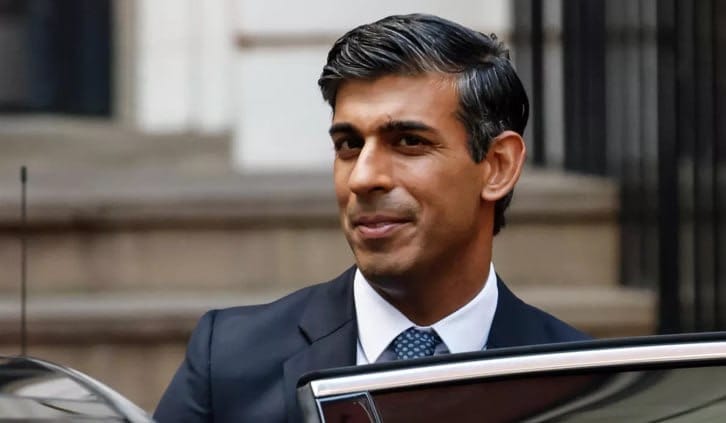
 💉🩸Sunak ‘truly sorry’ for infected blood scandal as he declares ‘day of shame’ in UK
More than 30,000 people in Britain were “knowingly” infected with either HIV or hepatitis C between the 1970s and the 1990s because "those in authority did not put patient safety first," Chair of the Infected Blood Inquiry Brian Langstaff has unveiled in a report.
More than 3,000 of these patients died, Langstaff said, adding that the response of the government and the National Health Service "compounded" victims' suffering.
"It could largely, though not entirely, have been avoided. And I report that it should have been," he pointed out.
Prime Minister Rishi Sunak reacted by declaring May 20 “a day of shame for the British state” as he apologized to “every single person” impacted by the infected blood scandal.
The scandal dates back to the 1970s, when the UK was struggling to meet the demand for blood-clotting treatments, which prompted the country to start importing blood from the US. However, much of the blood was reportedly bought from high-risk donors such as prison inmates and drug users. UK blood donations were not routinely screened for HIV and hepatitis C until 1986 and 1991, respectively.
💉🩸Sunak ‘truly sorry’ for infected blood scandal as he declares ‘day of shame’ in UK
More than 30,000 people in Britain were “knowingly” infected with either HIV or hepatitis C between the 1970s and the 1990s because "those in authority did not put patient safety first," Chair of the Infected Blood Inquiry Brian Langstaff has unveiled in a report.
More than 3,000 of these patients died, Langstaff said, adding that the response of the government and the National Health Service "compounded" victims' suffering.
"It could largely, though not entirely, have been avoided. And I report that it should have been," he pointed out.
Prime Minister Rishi Sunak reacted by declaring May 20 “a day of shame for the British state” as he apologized to “every single person” impacted by the infected blood scandal.
The scandal dates back to the 1970s, when the UK was struggling to meet the demand for blood-clotting treatments, which prompted the country to start importing blood from the US. However, much of the blood was reportedly bought from high-risk donors such as prison inmates and drug users. UK blood donations were not routinely screened for HIV and hepatitis C until 1986 and 1991, respectively.Brittisk Blodskandal & Uppriktigt Ledsen Sunak
2024-05-22 11:04
💉🩸Sunak ‘truly sorry’ for infected blood scandal as he declares ‘day of shame’ in UK
More than 30,000 people in Britain were “knowingly” infected with either HIV or hepatitis C between the 1970s and the 1990s because "those in authority did not put patient safety first," Chair of the Infected Blood Inquiry Brian Langstaff has unveiled in a report.
More than 3,000 of these patients died, Langstaff said, adding that the response of the government and the National Health Service "compounded" victims' suffering.
"It could largely, though not entirely, have been avoided. And I report that it should have been," he pointed out.
Prime Minister Rishi Sunak reacted by declaring May 20 “a day of shame for the British state” as he apologized to “every single person” impacted by the infected blood scandal.
The scandal dates back to the 1970s, when the UK was struggling to meet the demand for blood-clotting treatments, which prompted the country to start importing blood from the US. However, much of the blood was reportedly bought from high-risk donors such as prison inmates and drug users. UK blood donations were not routinely screened for HIV and hepatitis C until 1986 and 1991, respectively.